The Vintage Watches: Modern Guide Book Is A Love Letter To Collecting
A vintage watch can tell a story long before anyone checks the time. From the character of an aging dial to the craftsmanship of another era, the appeal of collecting extends far beyond the mechanics of a timepiece. For enthusiasts, the right watch represents history, individuality and a connection to something that has endured for generations.
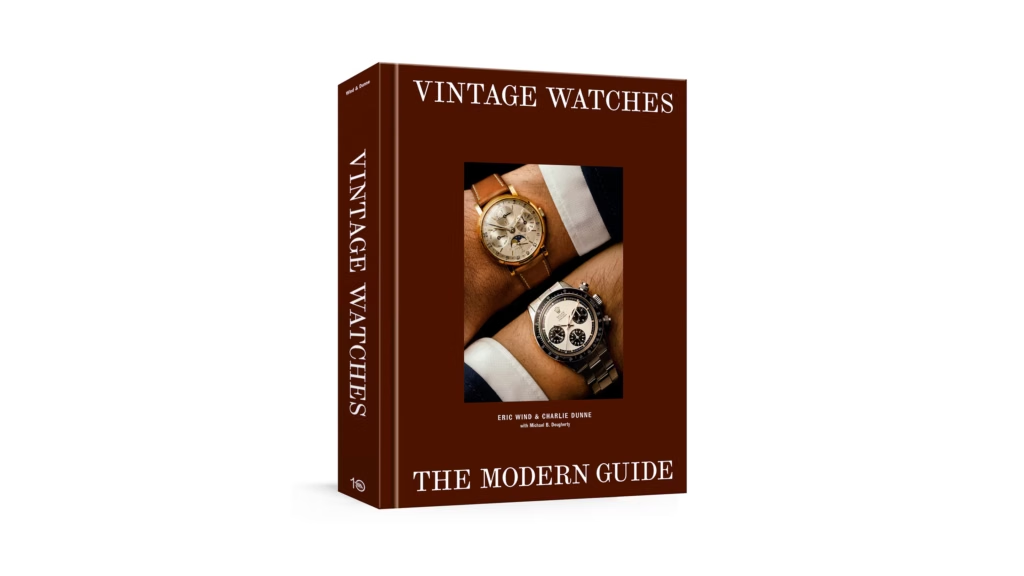
That fascination is at the heart of Vintage Watches: The Modern Guide, a new illustrated book by Eric Wind and Charlie Dunne that explores the art, history and culture of collecting vintage timepieces.
Arriving November 17, 2026, the 320-page hardcover from Ten Speed Press features more than 250 photographs alongside expert insights, collecting advice and personal stories from notable watch enthusiasts. Rather than concentrating exclusively on expensive acquisitions, Vintage Watches: The Modern Guide examines what makes certain timepieces meaningful and why their appeal continues to grow.
Eric Wind and Charlie Dunne Explore the Art of Watch Collecting
Few people understand the appeal of vintage watches quite like Eric Wind. Before establishing Wind Vintage in 2017, Wind served as Vice President and Senior Specialist of Watches at Christie’s, developing extensive experience evaluating and handling collectible timepieces.
Today, Wind Vintage has become a respected destination for collectors interested in exceptional vintage and pre-owned watches. His expertise extends beyond individual transactions, encompassing the historical significance, craftsmanship and cultural relevance of important timepieces.
Joining him is Charlie Dunne, Vice President and Senior Watch Specialist at Wind Vintage. A researcher and dedicated watch enthusiast, Dunne brings his own perspective to the increasingly sophisticated world of vintage collecting.
Together, the pair developed Vintage Watches: The Modern Guide to share their knowledge with both experienced collectors and individuals discovering horology for the first time. The publication also credits Michael B. Dougherty as a contributor, while photographer James Fisk provides the imagery that helps bring the watches and their intricate details to life.
What distinguishes this collaboration is the balance between professional expertise and genuine enthusiasm. Wind and Dunne approach vintage watches not simply as valuable possessions, but as objects that reward curiosity, research and appreciation.
Rolex, Patek Philippe and the Stories Behind Iconic Watches
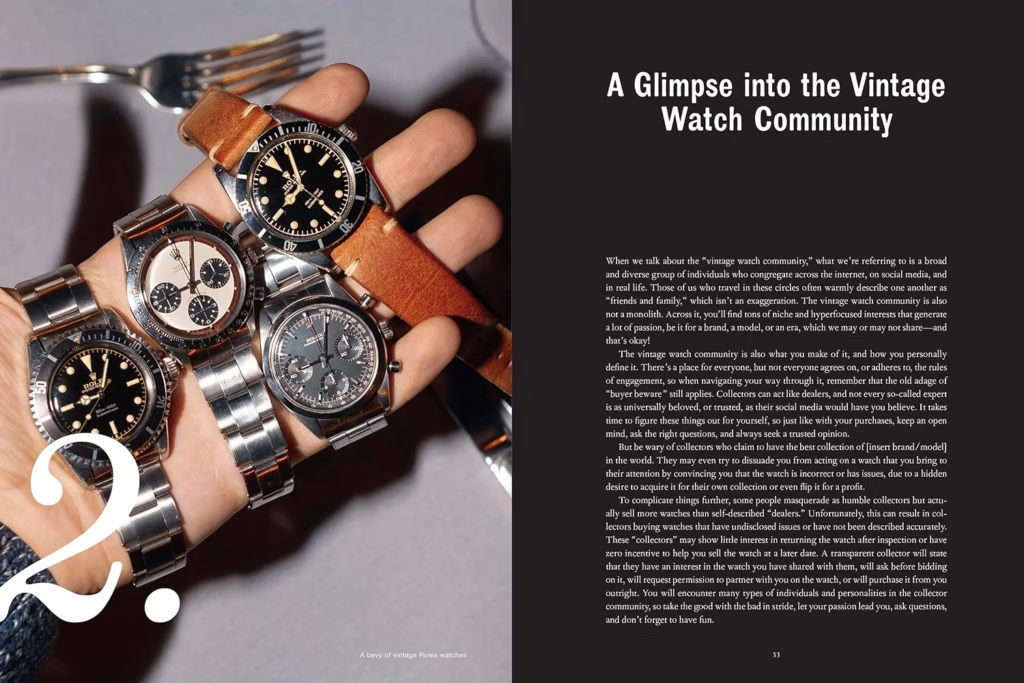
A significant part of vintage watch collecting involves understanding why certain designs have remained desirable long after their original production. Vintage Watches: The Modern Guide explores this relationship through some of the most recognizable names in watchmaking, including Rolex, Patek Philippe, Omega and Audemars Piguet.
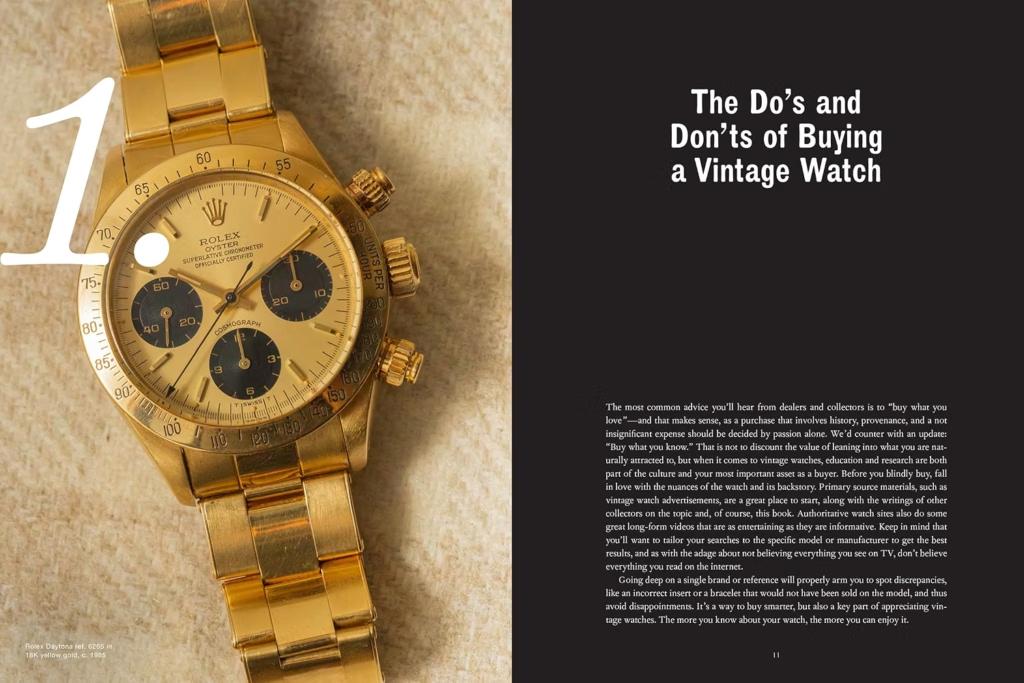
Rolex’s legendary sports watches provide an introduction to the durability, functionality and distinctive design language that have helped establish the brand’s enduring reputation. Models such as the Submariner and Daytona demonstrate how purposeful instruments can become important cultural objects.
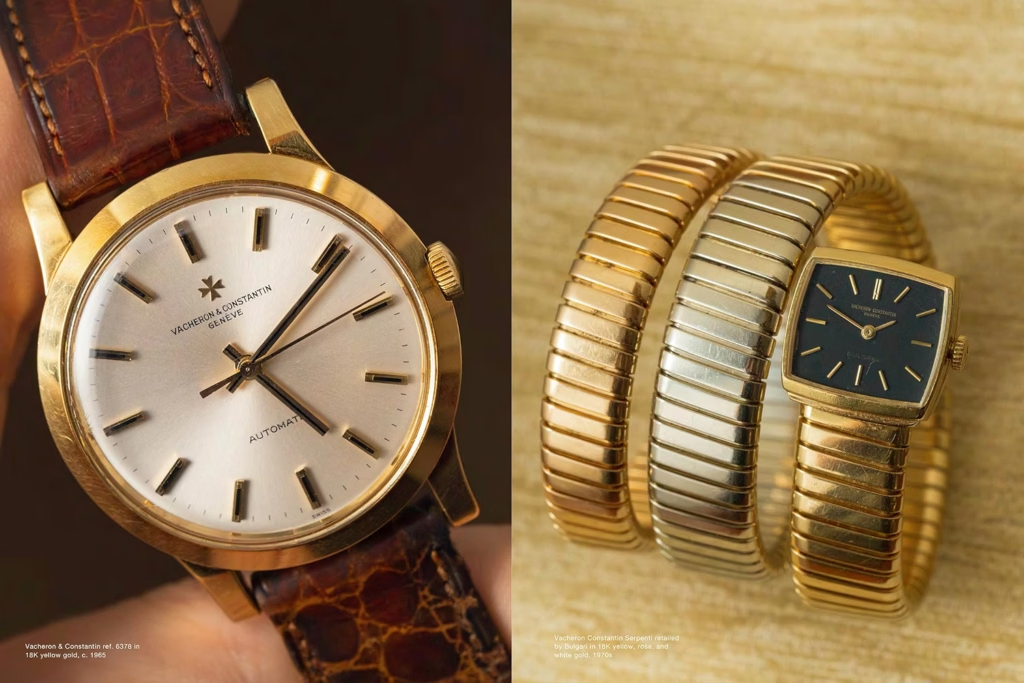
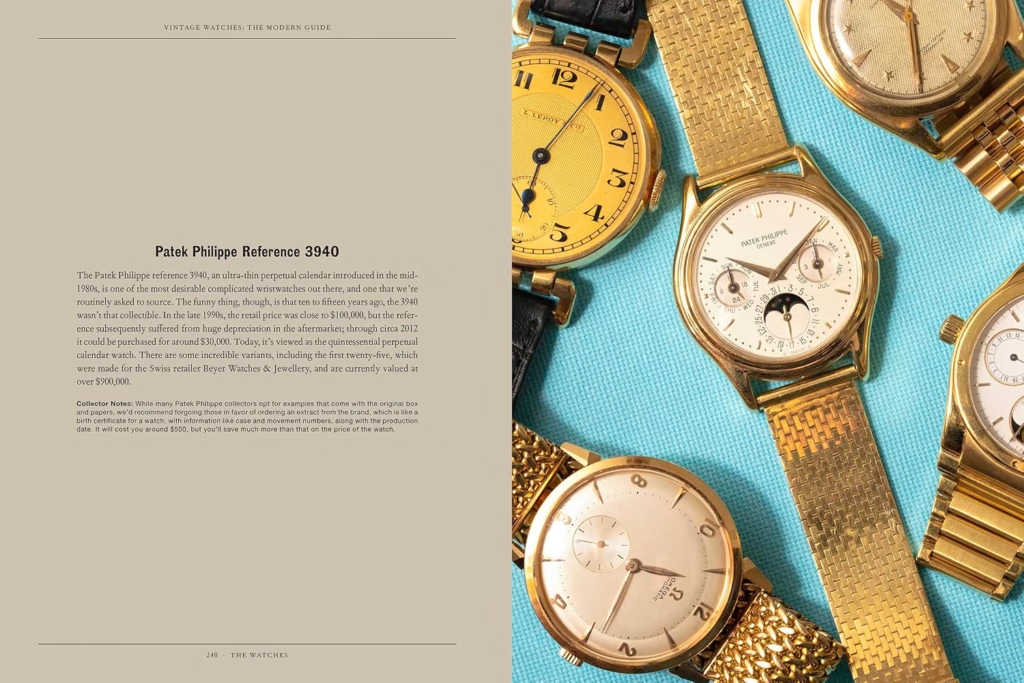
Patek Philippe represents another dimension of collecting, where traditional craftsmanship, mechanical complications and understated design have helped create some of the most coveted timepieces in horology. The Omega Speedmaster offers a different perspective through its connection to space exploration, while Audemars Piguet contributes a history of unconventional thinking and influential design.
Rather than treating these manufacturers as interchangeable symbols of luxury, Vintage Watches: The Modern Guideexamines the qualities that have shaped their significance within watch culture. A recognizable name alone does not explain a watch’s appeal. Its history, proportions, originality and the circumstances surrounding its creation all contribute to how collectors understand its value.
For enthusiasts, appreciating those distinctions can be just as rewarding as eventually owning the watch itself.
More Than 250 Photographs—and Lessons Beyond the Dial
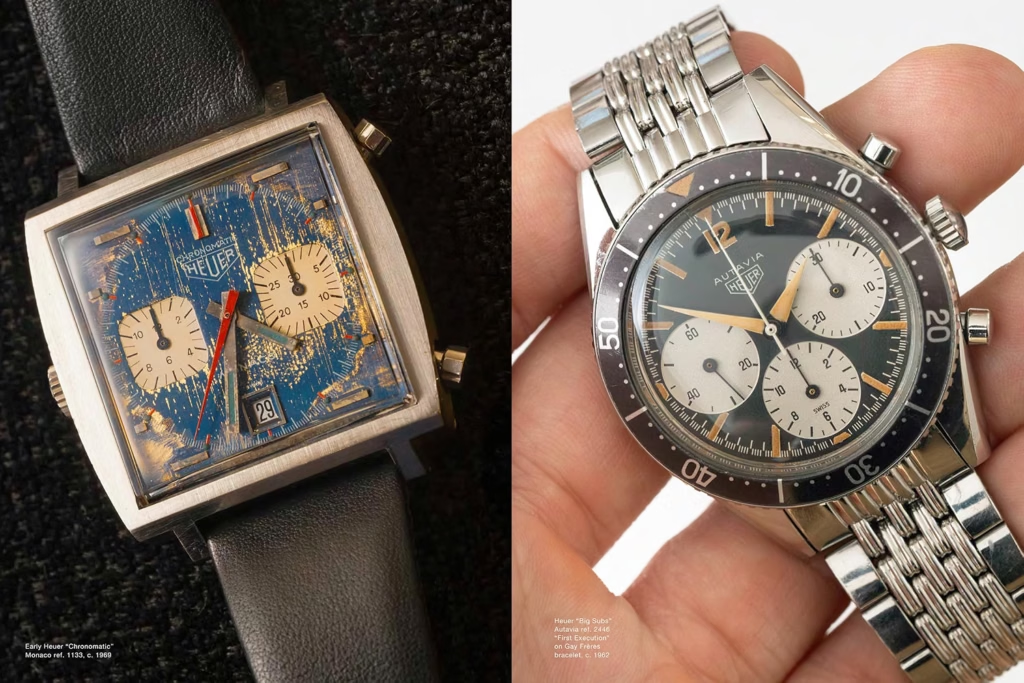
Beautiful photography is an essential part of any compelling watch book, and Vintage Watches: The Modern Guideplaces considerable emphasis on visual storytelling. Across its 320 pages, photographer James Fisk captures the textures, finishes and subtle details that give vintage timepieces their distinctive character.
However, the publication is designed to offer considerably more than a collection of attractive photographs. One important subject is patina, the natural changes that can develop as a watch ages. Whether visible through discoloration, fading or changes in a dial’s appearance, these characteristics can contribute to the personality of a vintage timepiece.
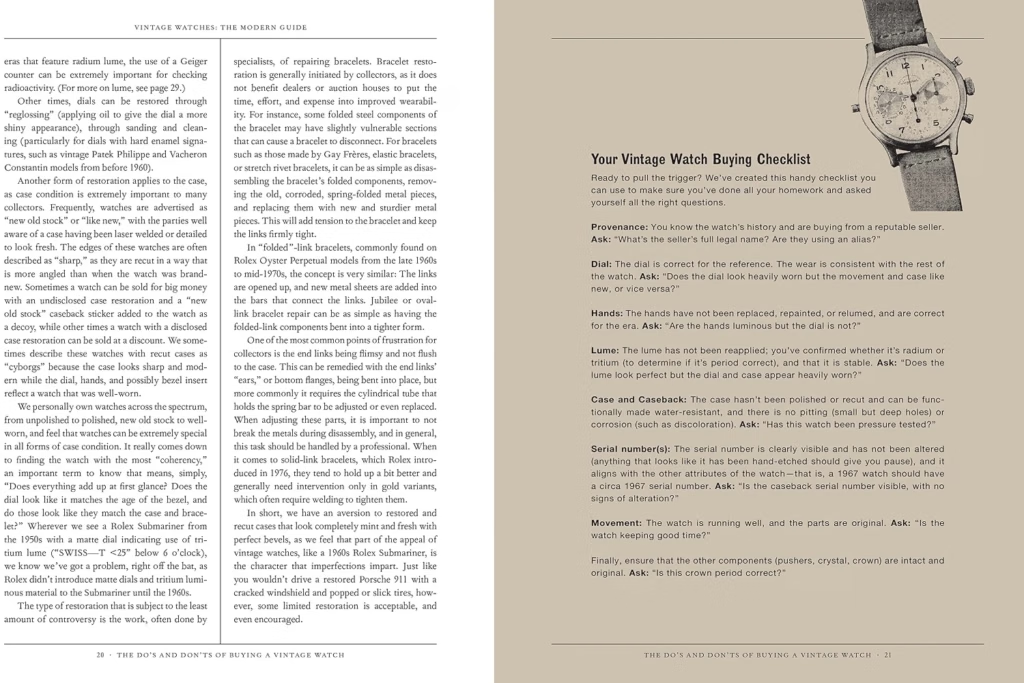
For collectors, understanding the distinction between desirable aging and potentially problematic deterioration is an essential part of evaluating a watch. The book also addresses the practical considerations involved in purchasing vintage watches, including common mistakes and the importance of understanding what a buyer is acquiring.
Originality can play a significant role in a vintage watch’s desirability. Replacement components, refinished dials and heavily polished cases may affect how a particular example is evaluated, making careful research especially important.
These considerations become increasingly meaningful as collectors develop their knowledge and begin distinguishing between watches that simply look appealing and examples that possess historical or technical significance. By addressing these subjects, Vintage Watches: The Modern Guide aims to make collecting more approachable without oversimplifying the expertise involved.
It also reinforces an important principle: developing a discerning eye requires patience, curiosity and a willingness to learn.
The People Behind the Watches Make Collecting Personal
While mechanical innovation and design history are central to vintage watches, the people who collect them provide another layer of meaning. Vintage Watches: The Modern Guide incorporates personal essays from recognizable collectors and enthusiasts, offering perspectives that extend beyond the traditional watch industry.
Contributors include celebrated chef David Chang, Hodinkee founder Ben Clymer, comedian Ronny Chieng, novelist Gary Shteyngart and musicians Aly & AJ Michalka. Their participation reflects the broad cultural appeal of collecting, where individuals from different creative and professional backgrounds can develop meaningful connections to the same hobby.
For one enthusiast, a particular timepiece might represent an important personal milestone. Another might be drawn to its design, historical significance or connection to a specific period. Those differences help explain why collecting remains such an individual pursuit.
There is no universal formula for developing a meaningful watch collection. Some enthusiasts favor understated dress watches, while others gravitate toward vintage chronographs, tool watches or unusual references that rarely command mainstream attention.
Ultimately, the relationship between a collector and a watch can be every bit as interesting as its specifications. By incorporating these personal perspectives, Vintage Watches: The Modern Guide presents horology as a community united by shared interests but shaped by individual experiences.
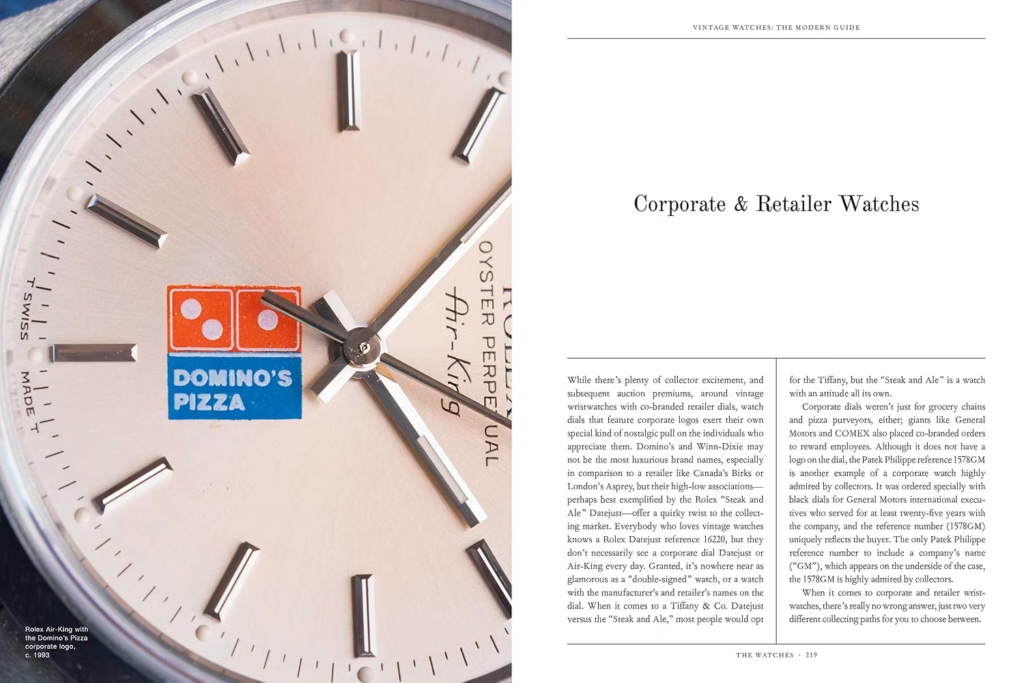
When Does Vintage Watches: The Modern Guide Release?
Vintage Watches: The Modern Guide officially releases in the United States on November 17, 2026, through Ten Speed Press, an imprint of Penguin Random House. The hardcover edition spans 320 pages, contains more than 250 photographs and carries a retail list price of $60. Preorders are currently available through major booksellers.
For those researching books about vintage watches, the publication offers an intriguing combination of visual inspiration, collecting knowledge and perspectives from established enthusiasts. Its appeal extends beyond collectors searching for their next acquisition. Readers who appreciate luxury design, mechanical craftsmanship and the history of iconic watchmakers may also find plenty to explore.
Ultimately, Vintage Watches: The Modern Guide makes a compelling case for considering watches as more than instruments for measuring time. They are expressions of artistry, reminders of different eras and personal objects whose stories continue long after their original owners.
For anyone fascinated by the culture surrounding vintage timepieces, this new release promises a closer look at what makes collecting such an enduring passion.